Smart City Case Studies from Argentina
Learn from actual smart city projects implemented across Argentine urban centers. These case studies document approaches, technologies, and outcomes from real-world deployments.
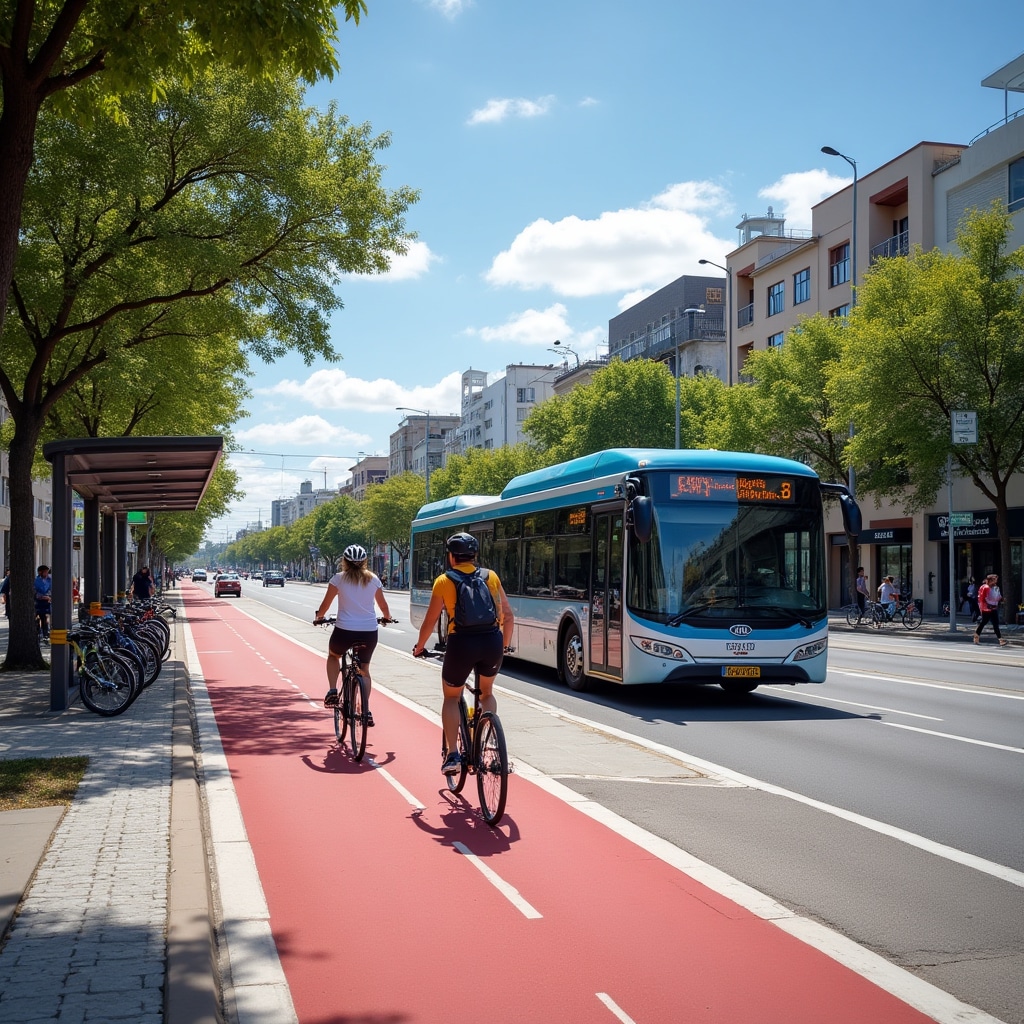
Rosario: Integrated Mobility Network
How did Rosario create a cohesive multimodal transportation system? The city integrated bicycle-sharing infrastructure with public bus routes, creating dedicated cycling lanes that connect residential areas to transit hubs and commercial districts.
The implementation included real-time tracking apps showing both bus locations and bicycle availability at docking stations. Digital payment integration allows residents to use a single card across all transportation modes.
This approach reduced car trips in the city center while improving access to public transit for neighborhoods previously underserved by traditional bus routes.
Mendoza: Environmental Monitoring System
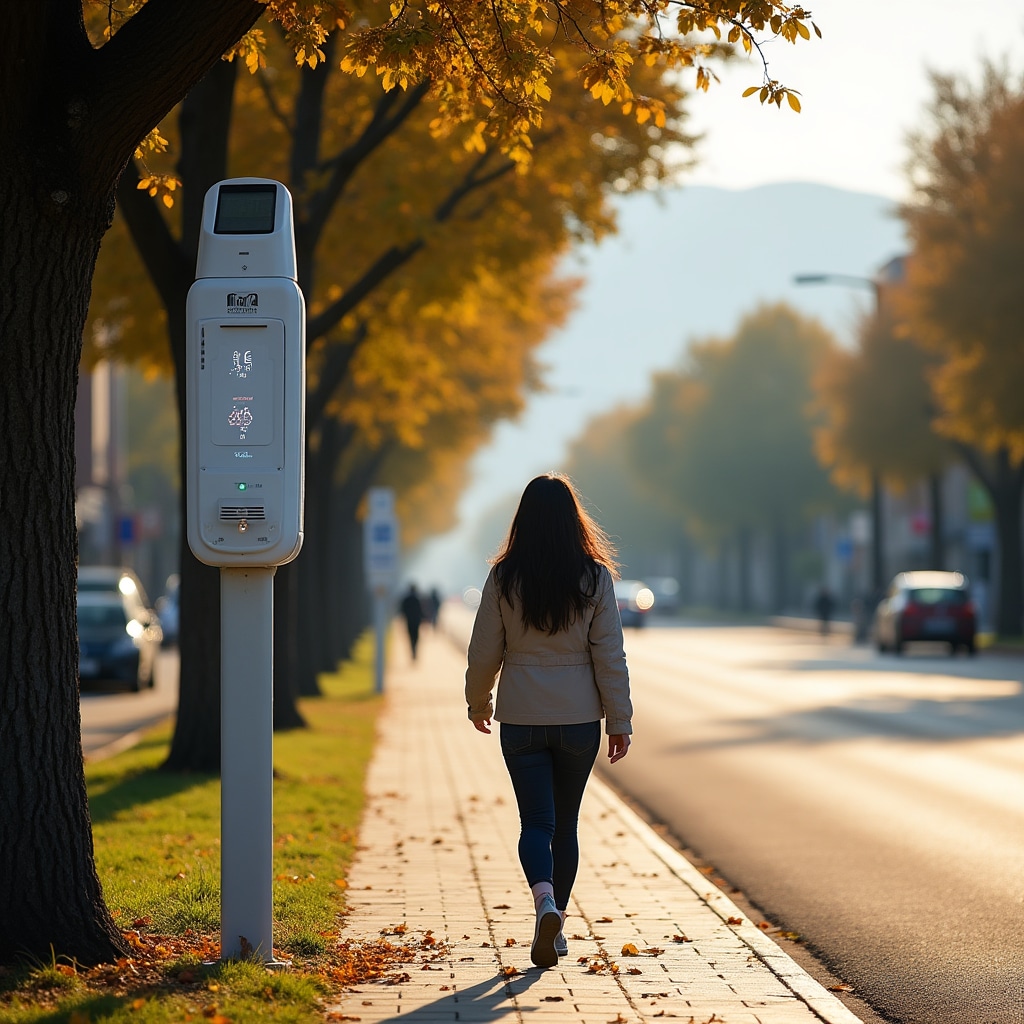
What prompted Mendoza to deploy an urban sensor network? Air quality concerns and the need for real-time environmental data led the city to install sensors throughout the metropolitan area measuring particulate matter, temperature, humidity, and noise levels.
The sensor network feeds data to a public dashboard accessible to all residents. When air quality reaches concerning levels, the system sends alerts through a mobile app, helping people with respiratory conditions make informed decisions about outdoor activities.
The data also informs municipal decisions about traffic management during high-pollution events and helps identify pollution sources requiring intervention.

Córdoba: Open Data Platform
Why did Córdoba prioritize data transparency? The city launched a comprehensive open data portal making municipal datasets publicly accessible, from budget information to real-time public service data.
The platform provides APIs allowing developers to create applications using city data. This has spawned civic tech projects including transit apps, service request tools, and data visualization dashboards created by local developers and researchers.
The initiative demonstrates how data transparency can foster innovation while increasing government accountability and citizen engagement in urban governance.
Key Lessons from Argentine Implementations
Citizen Engagement
Successful projects involved residents from the planning phase. Public consultations, pilot programs with community feedback, and transparent communication about project goals helped ensure implementations addressed actual citizen needs rather than just deploying technology.
Incremental Deployment
Cities that started with pilot projects in specific neighborhoods or for particular services achieved better results than those attempting city-wide implementations immediately. Phased approaches allowed for learning and adjustment before scaling.
Cross-Sector Collaboration
Partnerships between municipal government, universities, private technology providers, and civil society organizations brought diverse expertise to projects. These collaborations helped overcome resource constraints and ensured multiple perspectives informed implementation decisions.
What can other cities learn from these experiences?
Argentine smart city implementations demonstrate that effective urban intelligence doesn't require massive budgets or cutting-edge technology. Many successful projects used existing technologies applied thoughtfully to address specific local challenges.
The emphasis on open data, citizen participation, and transparent governance distinguishes Argentine approaches. Rather than viewing smart cities as purely technical projects, these implementations treat them as socio-technical systems where human needs and democratic values shape technology deployment.
Documentation of both successes and challenges from these projects provides valuable insights for other cities considering smart city initiatives, showing practical pathways for implementing intelligent urban systems in diverse contexts.